SOLANACEAE. 'TOBACCO'. Nearly 70 species of herbs to small trees, mostly Western Hemisphere, but 20 in Australia and 1 in SW Africa. Valued for their often showy, mostly fragrant trumpet shaped flowers, and the bold effect of the foliage. Excellent in borders, preferring rich moist soil and full sun. Fragrant types may be flowered in pots for indoor scent. Many species have been smoked, and several are grown for the production of the valuable biodegradable insecticide nicotine. Sow indoors a month or two before last frost or outdoors when the weather has warmed. Surface sow, most germinate in 1 - 3 weeks. Seed long-lived, with a half-life of 5 - 10 years.
—Nicotiana rustica 'Rapa Nui'. (500) NICO-29RN. Packet: $2.50
Click for photos »
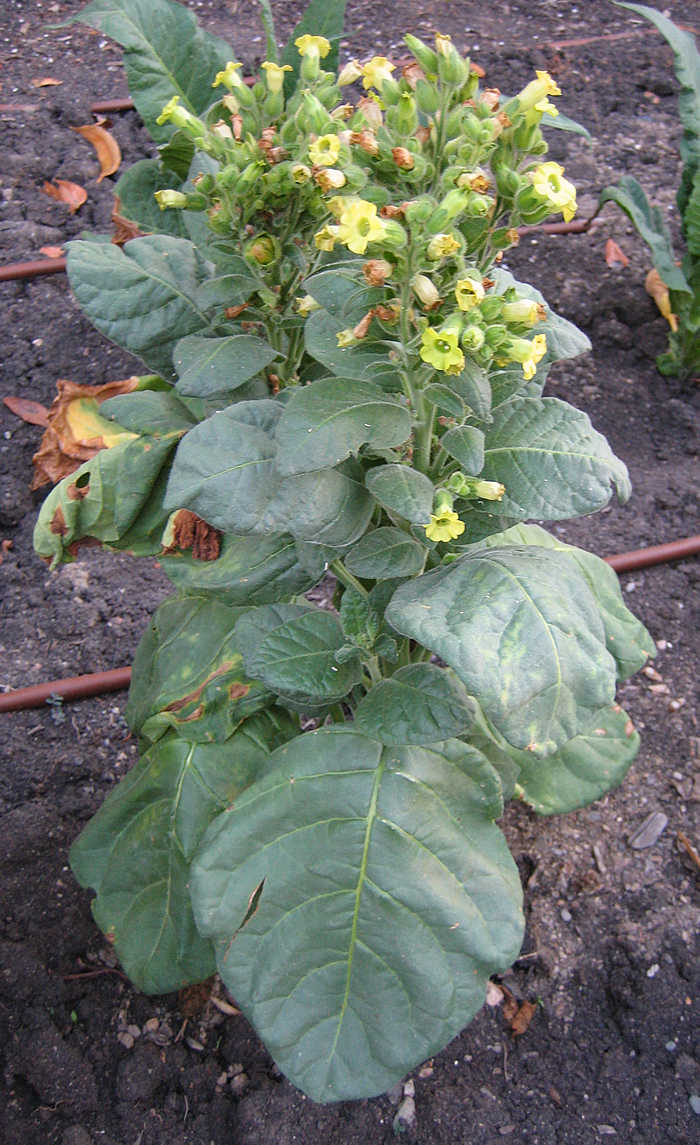
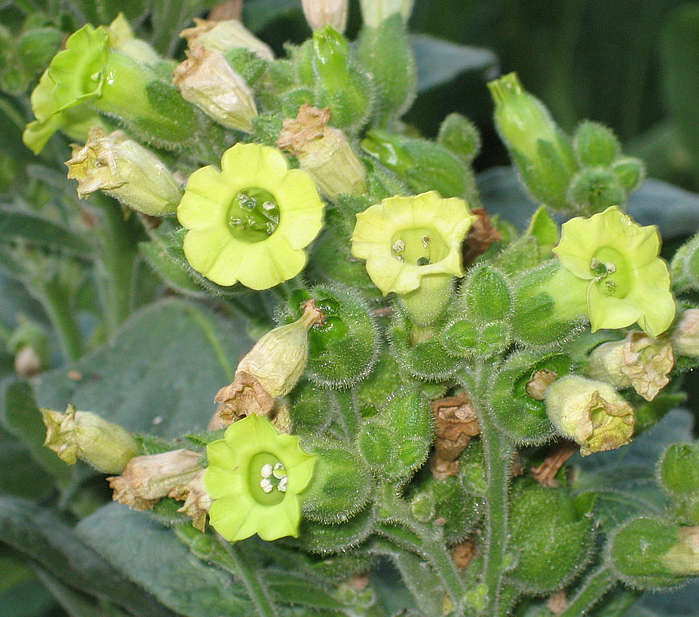
'AVA-AVA', 'EASTER ISLAND TOBACCO'. Yellow flowers and 15" long leaves, on a plant to 3 - 4 feet. Originally collected on Rapa Nui (Easter Island), where the local indigenous cowboys call it 'ava-ava' and smoke it mixed with milder commercial tobacco or with Can nabis. They say it has always been on the island (not introduced). They say it is very strong-flavored. Curiously, 'ava-ava' is used elsewhere in the South Pacific to refer to the intoxicating drink 'kava'. Germinates in 1 - 2 weeks.
—Nicotiana rustica 'San Juan Pueblo'. (1000) NICO-29SJ. Packet: $2.50
Gram: $5.00
Traditionally grown variety from the San Juan Pueblo. Used ceremonially. Germinates in 1 - 3 weeks.
Nicotiana Tabacum Varieties:
'SMOKING TOBACCO'. Robust annual or short-lived perennial to 3 - 6 feet or more, with large leaves and beautiful rosy-red trumpet-shaped 2" flowers. Tropical America. Strikingly beautiful, attracts many hummingbirds, and a valuable organic insecticide. They are lovely, useful plants—you don't have to smoke them to like them—few things make me as happy as being next to a blooming tobacco plant!
LIABILITY DISCLAIMER NOTE: Tobacco is the single most addictive substance known to man. I doubt if anyone is unaware of the negative health consequences of tobacco use. I do not encourage anyone to use tobacco, but I also do not condemn anyone who does use it. I distribute tobacco seeds because it is a beautiful and useful plant, and because I feel that those who do use tobacco will benefit from growing it. I believe that growing your own will provide you with additive-free and pesticide-free tobacco. I do encourage those who already use tobacco to try growing their own as this will help in harm reduction.
Tobacco taxes are extremely high, and are not earmarked to provide health-services to tobacco users as they should be, unfairly exploiting tobacco users. I call on all governments to earmark tobacco tax revenues solely for the medical care of tobacco-related health problems.
HARM REDUCTION: An interesting and overlooked idea, that was originated by health workers seeking harm reduction from tobacco use, is the strategy of producing high-nicotine tobacco, the opposite of commercial low-nicotine cigarettes. Low nicotine cigarettes tend to cause the smoker to smoke more. The theory here is that high-nicotine tobacco will enable the smoker to deliver a dose of nicotine that will satisfy the addiction with just a puff or two, reducing the amount of tar, carbon monoxide, benzene, smoke particulates, and other toxic, carcinogenic, and harmful components of cigarette smoke, in the same way that the nicotine "patch" reduces harm by avoiding damaging the lungs with tobacco smoke. Theoretically, dampened tobacco leaves placed on the skin could also deliver nicotine into the addicted person's system—there are cases where tobacco smugglers have gotten nicotine poisoning by carrying tobacco next to the skin.
Some pharmacologists have stated that research should be done to produce semi-synthetic analogues of the nicotine molecule that produce nicotine-like effects, but with lowered toxicity, as a harm-reduction strategy.
ABOUT NICOTINE:
Believe it or not, nicotine has many beneficial medicinal properties, increasing IQ and physical performance, anti-Alzheimer's, anti-schizophrenia, helps the transfer of information from short-term into long-term memory, etc. I have a friend who takes 100 mg a day sublingually - he's an organic chemist so makes an extract which is used traditionally in Columbia, and is buffered. Apparently pure nicotine is not carcinogenic, and is only mildly habit-forming, not like tobacco which is extremely addictive, partly because of the additives. I used to be very anti-tobacco (I have friends and relatives who died of smoking-induced lung cancer), until I read Tobacco Among the Karuk Indians of California, by Harrington, which really opened my eyes about the plant. Later I read some of Johannes Wilbert's work on tobacco and shamanism - amazing stuff!
Interesting overview of nicotine:
http://www.gwern.net/Nicotine
And here is statistician Ronald Fisher's (a brilliant, yet peculiar fellow with many odd beliefs) 1958 paper proposing (somewhat tongue-in-cheek) that it is possible that lung cancer causes smoking:
http://www.york.ac.uk/depts/maths/histstat/fisher274.pdf
Definitely an interesting read!
"You might like to know that tobacco grows very well outdoors in Alaska, reaching 6 feet tall and flowering even in cold wet summers. I just start the plants early, like tomatoes."—V. Robeson, 11/98.
"Tobacco grows very well here in the high desert. Black Mammoth plants were huge at 7 feet, with 34" leaves. Perique also did well. N. rustica self-sowed. Temperatures of 100°F plus, humidity near 10%, UV index of 10. We are at 4100 feet elevation."—D. Cook, Lone Pine, California, 3/13.
Tobacco packets contain about 1200 to 2200 seed, and they run about 10,000 to 20,000 seeds per gram.
Up until a few years ago, tobacco was an allotment crop in 48 states—you needed Agriculture Department permission to grow more than 1/10 acre. Now you don't need permission, and you can grow as much as you like!
Burley types are planted at 6 - 7000 per acre (about 2 1/2 feet apart), the Havanas at 12,000 per acre (about 2 feet apart). For home use space 2 - 4 feet apart. A large plant can yield up to 5 ounces. Curing isn't difficult, and good results can be obtained at home. Tobacco prohibition is coming, so learn to grow your own additive-free and tax-free supply.
For learning how to grow and cure tobacco for home use, we recommend the two inexpensive pamphlets we sell in our book section—see below for link. Home growers should try a couple of varieties to see what produces well for you and gives a type of tobacco that you like. Just like tomatoes, you need to try a few to find what you like! Also, different curing will affect the type of tobacco you end up with, so this is something to experiment with. Don't give up if you don't get what you like the first try—like cooking, it takes practice to find the right "recipe" that gives a tobacco suited to your personal taste.
Ripe tobacco leaf: Click for photo »
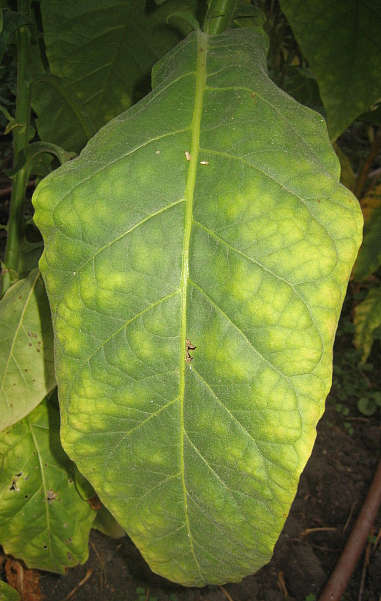
Curing recipe from W.D. Fuller, Louisiana: Take mature, dried brown tobacco leaves and re-moisten so that they are quite soft. Seal in a plastic bag and leave in a closed car in the sun where it gets hot. Check the leaves twice a day—when the bag smells of ammonia when opened, they are done—remove from the bag and re-dry till all the ammonia is gone. When fully dry they can be remoistened to the state you like for smoking. The development of ammonia helps release the nicotine from where it is bound up in the leaf, and this recipe can actually change bad-tasting tobacco into excellent quality material.
Tobacco Mosaic Virus (TMV) is not carried in the seed—growing tobacco will not introduce this virus into your garden. It is carried by many plants, but not tobacco seed. TMV does not kill the plant, but reduces yield, and does not make the tobacco unfit for use.
Varieties susceptible to Black Shank should be grown in rotation with other crops.
There are very few sources for unpatented tobacco seed left, and these are all unpatented varieties.
Two other companies distributing heirloom tobacco seeds:
New Hope Seed Company: http://www.newhopeseed.com/tobacco/index.htm
Victory Seed Company: http://www.victoryseeds.com/tobacco/index.html
Please support small, independent tobacco seed suppliers, and help keep these varieties going.
For more detailed information on tobacco cultivation and curing:
Kentucky and Tennessee Tobacco Production Guide: http://www.ca.uky.edu/agc/pubs/id/id160/id160.pdf
Virginia Cooperative Extension Tobacco Crop Guides: http://pubs.ext.vt.edu/category/crops.html
SEE BOOK SECTION FOR BOOKS ON INDIAN USES OF TOBACCO.
TOBACCO PAMPHLETS:
TOBACCO: Instructions for its Cultivation and Curing. Farmers' Bulletin No.6, USDA
John Estes, 1892. 8pp, 1 Ounce. $1.50
Basics of cultivating tobacco; sowing, transplanting, topping, harvesting and curing. This is a new reprint - completely re-typeset and nice and clear - much better than the old photocopy of the original USDA pamphlet.
METHODS OF CURING TOBACCO. Farmers' Bulletin Number 60, USDA
Milton Whitney, 1898. 15pp, 1 Ounce. $2.00
Methods of curing various types of tobacco used in the main tobacco-growing regions of that time. This is a new reprint - completely re-typeset and nice and clear - much better than the old photocopy of the original USDA pamphlet.
STANDARD BURLEY VARIETIES:
—Nicotiana Tabacum 'Burley TN-90'. (1000) NICO-36T90. Packet: $2.50
A standard Tennessee Burley with high quality, good yield, and multiple disease resistance. Certified Kentucky-grown seed.
Disease resistance levels:
Black Shank Race 0 - Medium resistance.
Black Shank Race 1 - Medium resistance.
Black Root Rot - High resistance.
Tobacco Mosaic - High resistance.
Wildfire - High resistance.
RARE PERIQUE TOBACCO
This is the rarest commercial tobacco in North America, and one of the most highly-prized.
—Nicotiana Tabacum 'Perique'. (1000) NICO-36PQ. Packet: $2.50
10 grams: $20.00
Click for photos »
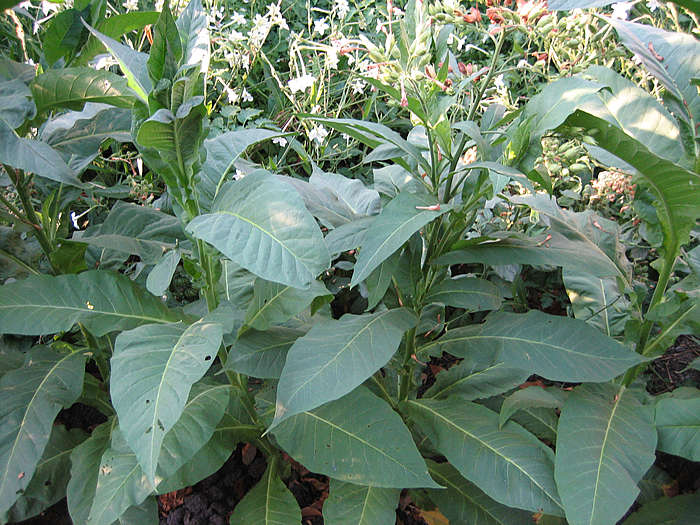
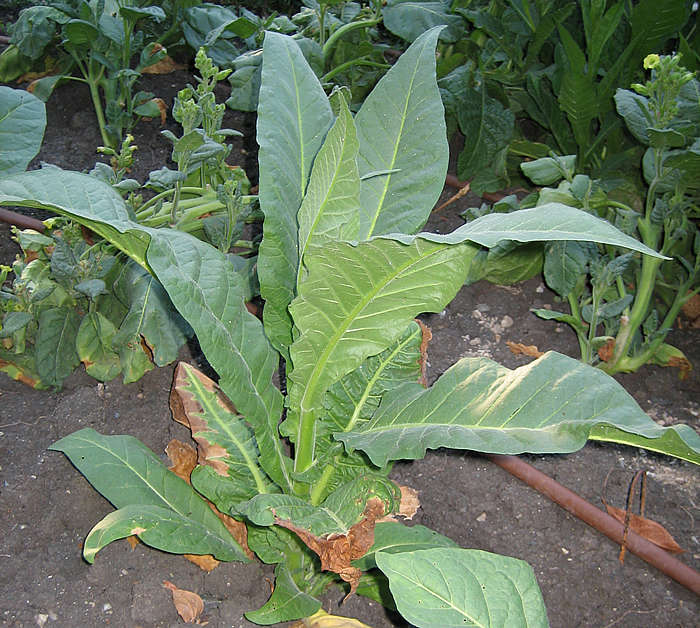
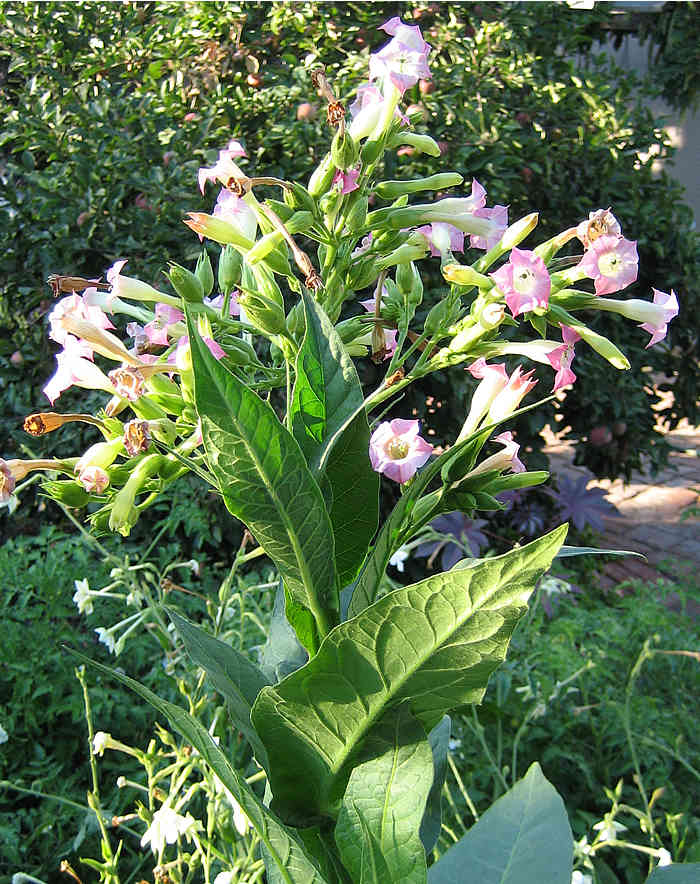
'PERIQUE'. The famous and extremely rare Louisiana tobacco. Originally grown by the Indians and fermented and pressed in hollow logs, this is a very potent tobacco. Usually used mixed with milder types. Now grown by only a few families, the leaves are prepared by prolonged pressing and fermenting, into an almost black tobacco which commands high prices. My favorite! Germinates in 2 weeks warm.
HAVANA TOBACCO VARIETIES:
These old Cuban varieties have been grown in the U.S. for decades, producing well even in northern states. In days past, a great deal of Havana tobacco was grown in Wisconsin. The Havanas are smaller plants than the burley types, and are highly valued because of the fine flavor—Cuban cigars are renowned throughout the world! The seed is getting scarce.
NOTE TO REGULATORS: The Havana tobacco seed we distribute here was grown in the United States, not illegally imported from Cuba. The starter seed was also grown in the U.S.—as noted above, the Havana varieties were grown and maintained for decades in Wisconsin, by the Northern Wisconsin Cooperative Tobacco Pool, from which we originally obtained our starter seed.
NOTE: When ordering this and paying through PayPal, do not mention the name 'Havana' in your PayPal payment - this will trigger a suspension of our account because they think the seed was grown in Cuba, and our account will be locked until we clear up their confusion. Importation of goods from Cuba is prohibited, and they do not realize that the seed was grown here in the states.
—Nicotiana Tabacum 'Havana 142'. (1000) NICO-36H1. Packet: $2.50
Gram: $9.00
5 grams: $36.00
An excellent Havana tobacco, giving a quick harvest (about 65 days). Good for chew and cigars. Good in the North. Seed originally grown in Wisconsin.
"The Havana tobacco was a big growing success and my friends and I smoke it on ceremonial occasions. They say it has a very fresh and smooth flavor, and as they are quite involved with dependence on other cigarette forms, their avid appreciation of the taste is a compliment; they consider themselves connoisseurs! It is a joy in my garden."—M. E., New York.
—Nicotiana Tabacum 'Havana 608'. (1000) NICO-36H6. Packet: $2.50
Click for photo »
Gram: $6.00
5 grams: $20.00
10 grams: $35.00
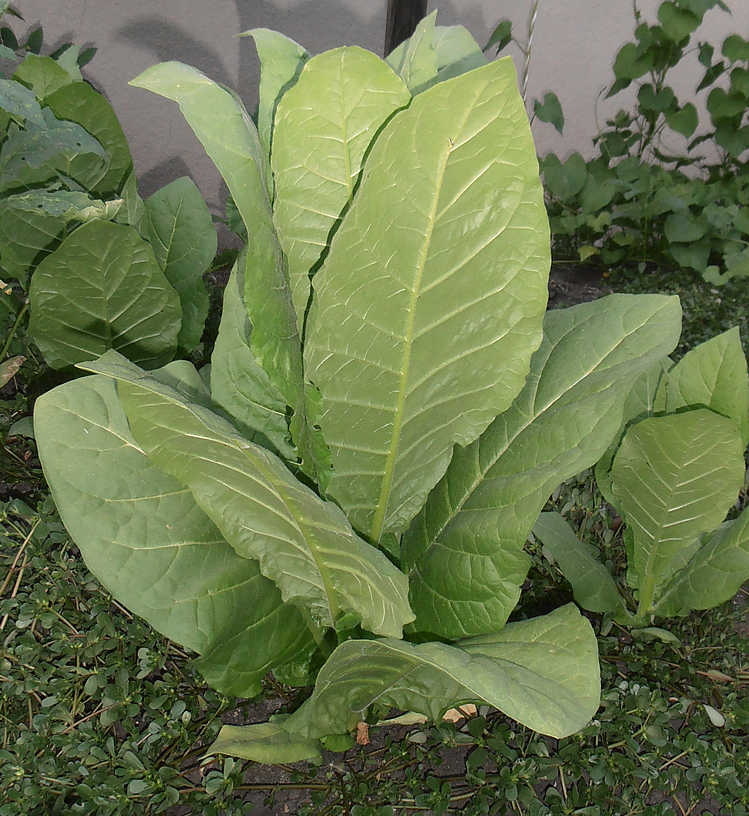
The best Havana for home use. Fast maturing in 65 days. High yield. Good for cigars and chew. Good in the North.